About Us
About the Book
A Story Rooted in History. A Journey Toward Truth.
Thirteen Witnesses is a historical and scriptural narrative that explores the Passion and Death of Jesus Christ through the imagined testimonies of those who stood closest to the events. Some are drawn directly from Scripture. Others are fictional yet grounded in the political, religious, and cultural realities of first-century Jerusalem.
Each witness tells their story in their own voice — revealing fear, ambition, loyalty, doubt, conviction, and regret. Through their reflections, the reader is not merely observing history, but entering it.
This is not simply a retelling of familiar Gospel scenes.
It is an examination of the human heart under pressure.
Thirteen Voices. One Central Question.
From the disciple who denied Him…
to the religious authority who condemned Him…
to the Roman official who washed his hands…
to the quiet observer who did nothing…
Every witness is confronted with the same reality: truth standing before them.
The central thread woven throughout the book is the pursuit of truth — not as an abstract concept, but as a lived decision. Truth demands something. It challenges comfort. It threatens power. It exposes pride. And sometimes, it isolates.
Through these testimonies, readers are invited to ask themselves:
Would I have recognized the truth?
- Would I have defended it?
- Would I have remained silent?
- Would I have joined the crowd?
Faith, Power, and the Cost of Conscience
Set against the tension of Roman occupation and religious authority, Thirteen Witnesses explores themes that remain deeply relevant today:
- Political pressure and moral compromise
- Religious hypocrisy and spiritual blindness
- Mob mentality and manipulated narratives
- The danger of silence in moments of injustice
- The courage required to stand alone
The Passion is not presented merely as an event of suffering, but as a revelation — revealing who Christ is, and revealing who we are when confronted with Him.
Scripture Illuminated Through Story
Drawing from the Gospels and historical context, the book expands upon brief biblical moments to explore the interior struggles of its characters. While faithful to the scriptural foundation, it imaginatively develops the emotional and moral dimensions of those who witnessed Christ’s final hours.
This approach allows readers to engage with the Passion in a new way — not as distant spectators, but as participants.
The result is both reflective and challenging.
The Fourteenth Witness
Though the book contains thirteen testimonies, there is an unspoken fourteenth witness: the reader.
The narrative does not end at Golgotha. It continues in the conscience of every person who encounters it.
Because the question asked in the courtyard of Pilate still echoes today:
What is truth?
And more importantly—
What will you do when you encounter it?
Meet the Witnesses


Alon – The Observer
A weaver who witnesses the arrest in Gethsemane.
He is not a disciple. Not an enemy. Just a man searching for understanding.
His testimony challenges us to ask:
What do we do when we see injustice unfold before us?
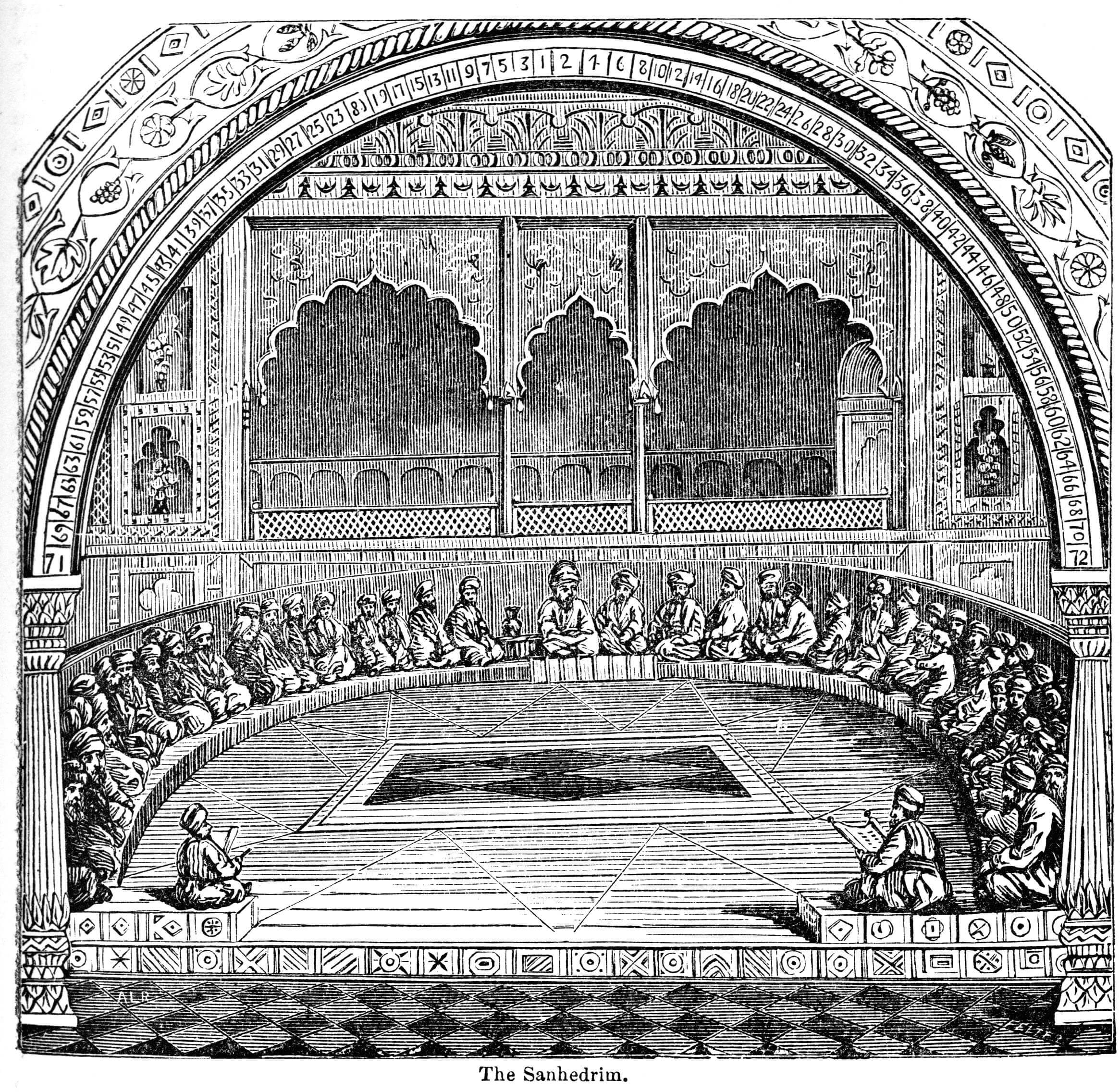
Betzalel – The Sanhedrin Member
A respected religious leader who helps condemn Jesus.
He knows something feels wrong — but protects his status.
His struggle asks:
When truth threatens our position, do we defend truth… or ourselves?



Machla – The Servant Girl
The young woman who recognizes Peter.
An outsider. A foreigner. A quiet witness to fear.
Her perspective asks:
How easily do we deny what we know to be true?
About the Author
Peter Stephens
Peter Stephens is a faith-driven writer whose work reflects a deep commitment to Scripture, reflection, and the pursuit of truth. Rooted in Christian tradition and shaped by years of thoughtful study, he approaches storytelling not merely as creative expression, but as a means of spiritual exploration.
Thirteen Witnesses was born from a desire to look beyond the surface of the Gospel accounts of the Passion and Death of Jesus Christ and to consider the human dimension of those who stood present at history’s most pivotal moment. Rather than retell familiar events, Stephens sought to imagine the interior struggles of those involved — their fears, ambitions, doubts, loyalties, and decisions.
His writing is driven by a central conviction: that truth is not simply something to believe, but something to pursue — even when that pursuit is uncomfortable.
Drawing from Scripture, historical context, and Catholic tradition, Stephens crafts narratives that encourage readers to reflect deeply on their own lives. His hope is not merely to inform, but to inspire personal examination and spiritual growth.
Through Thirteen Witnesses, he invites readers to move beyond passive belief and to ask difficult questions — about conscience, courage, silence, and faith.
Above all, Peter Stephens writes with the belief that reflection leads to understanding, and understanding leads to transformation.